

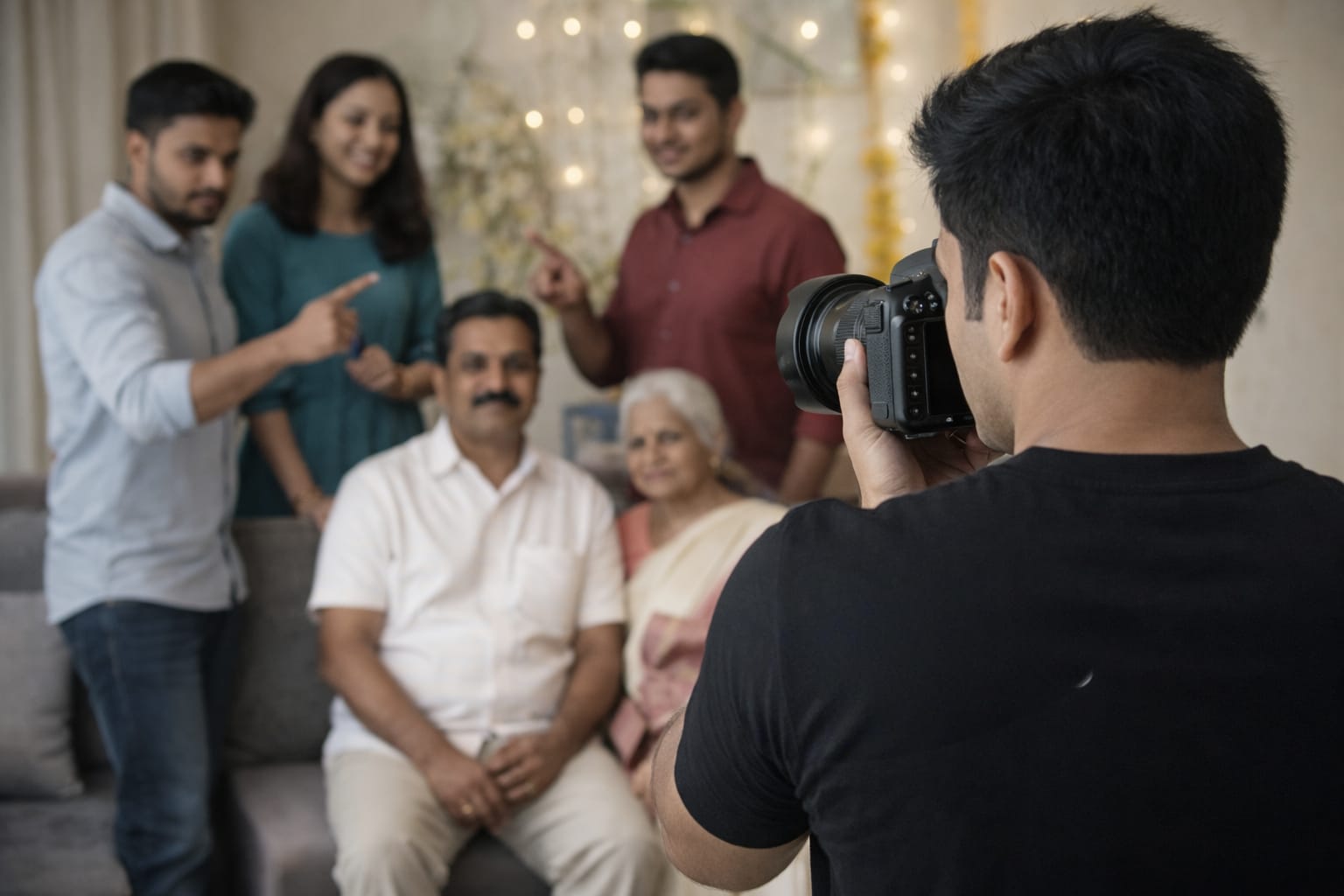
When the photographer arrives, what exactly should you communicate? Here’s the complete guide.
This is the moment that defines your final output. If you’re unclear here, expect average results.
1. Clearly explain your requirement
Start with a proper brief:
• Type of event (birthday, family function, small celebration, etc.)
• What kind of coverage you expect (full event / only key moments)
• Style preference (candid, posed, mix of both)
The photographer plans the shoot based on this input.
2. Identify the focus person
Tell who the main subject is:
• Birthday person / couple / key individual
This ensures they get maximum attention and coverage.
3. Point out important people
Mention your priority group:
• Close family members
• Friends or special guests
• Anyone who must not be missed
Without this, photographers may not know who matters most.
4. Share references (if any)
If you have expectations:
• Show sample photos or poses
• Explain the style you like
This aligns your expectation with the photographer’s execution.
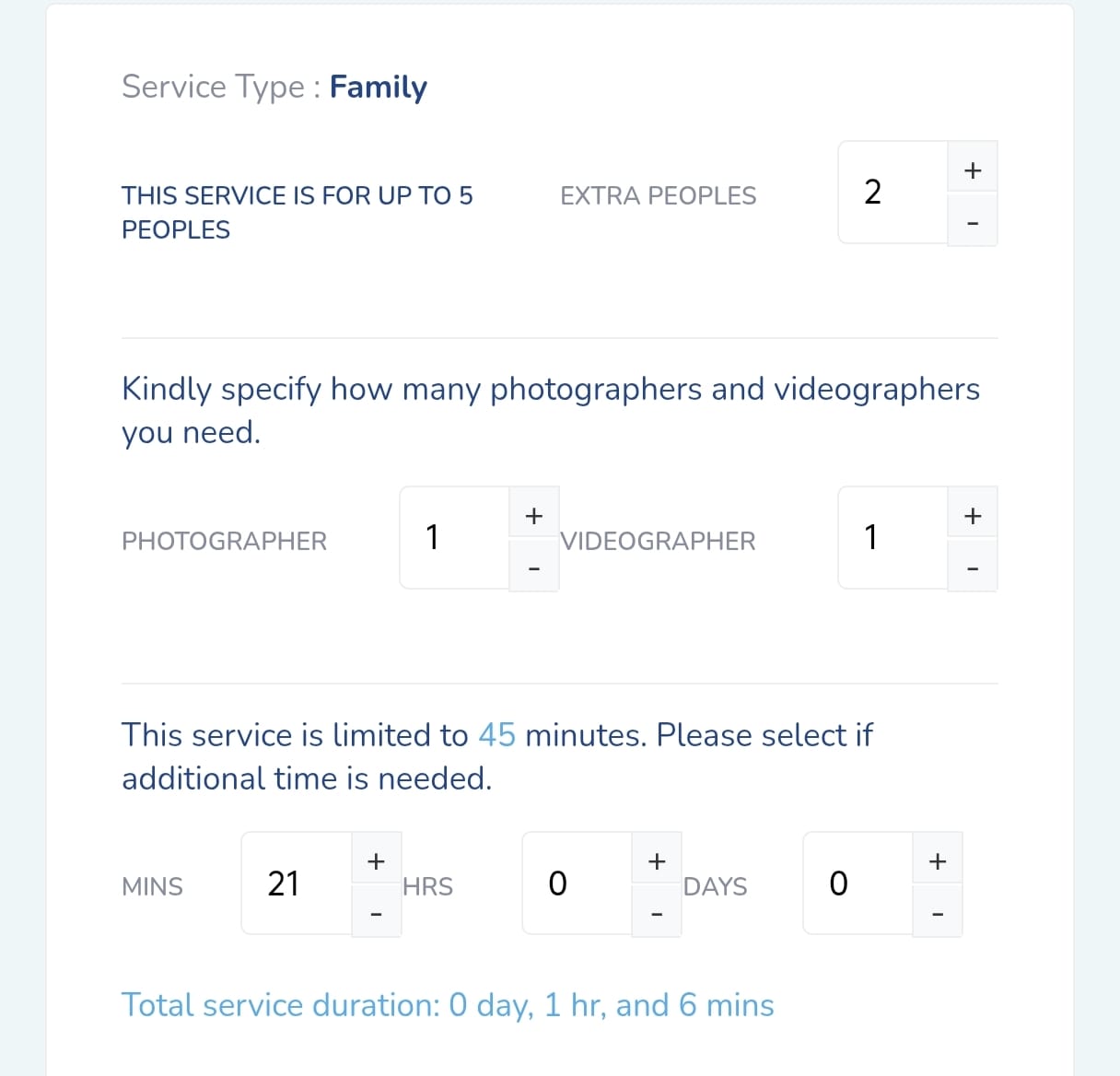
5. Confirm people count (very important)
• Ensure the number of people matches your booking
• If there are extra people, inform early
→ Extra people will have additional charges
→ Avoid last-minute confusion or disputes
6. Confirm duration of shoot
• Check your booked time (e.g., 45 minutes)
• Plan key moments within this time
→ If you need more time, inform early
→ Extra time = additional charges
7. Mention any additional requirements upfront
Before the shoot starts, clearly say if you need:
• Extra coverage
• Specific group shots
• Any special moments captured
Last-minute instructions = missed shots.
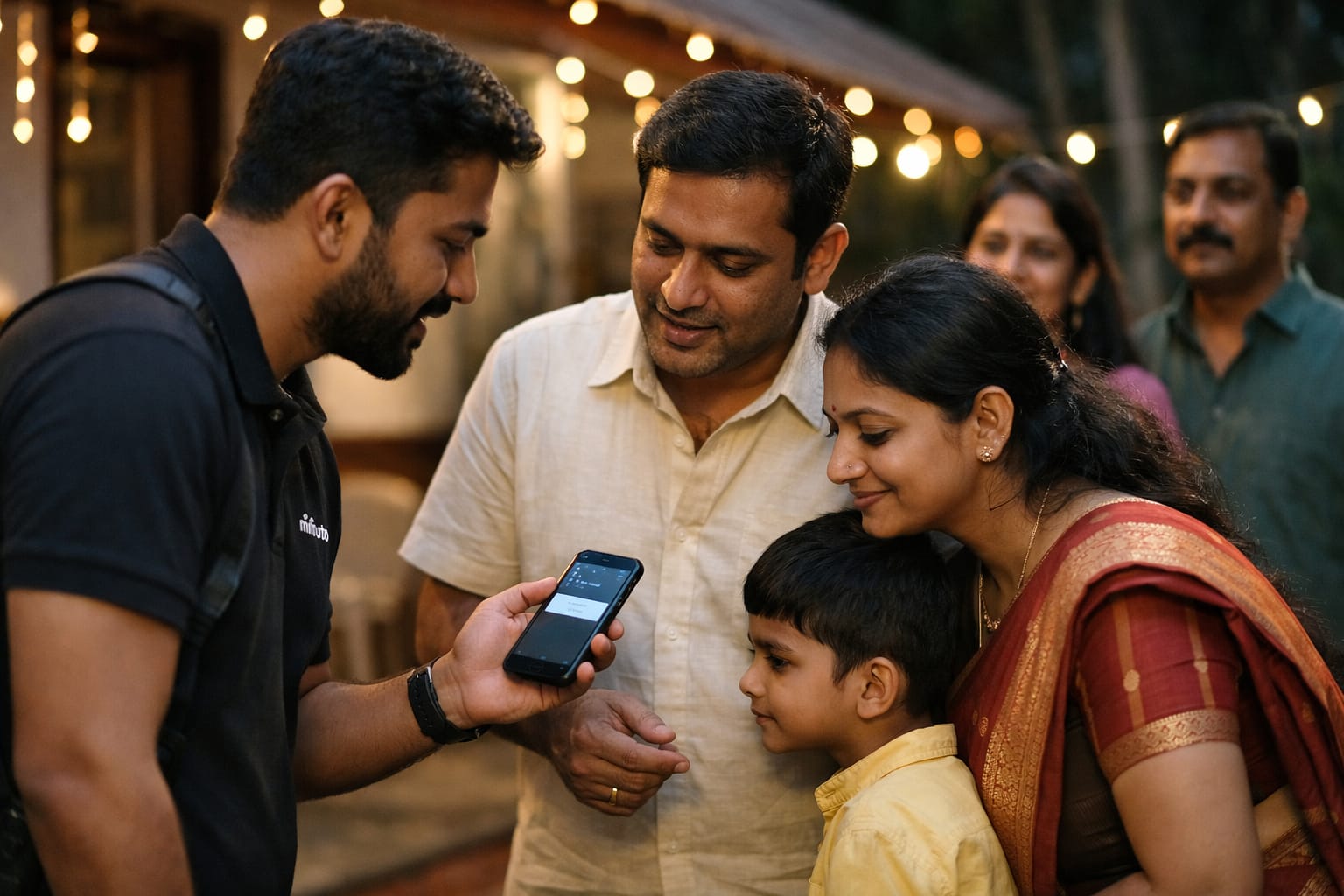
8. Start with OTP verification
Ensure the shoot starts only after OTP confirmation
This protects both customer and photographer.
Reality Check:
Photographers can execute well only when instructions are clear.
If you give vague direction, output will also be vague.
Bottom line:
Clear briefing + correct details + upfront communication = smooth shoot and better results.
Now live in Trivandrum.